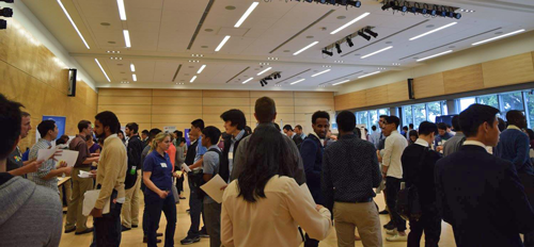
Last week, I had the opportunity to attend the 2026 TEAMER Deck Operations Workshop in Wanchese, North Carolina. Hosted by TEAMER and the Coastal Studies Institute (CSI), this three-day, hands-on training program brought together marine energy researchers, developers, students, and industry professionals from across the United States to focus on one critical topic: how to safely and efficiently deploy marine energy technologies in the real world.
As many of you know, Pterofin is still in the research and development stage. We are currently awaiting the results of our ongoing CFD analysis being conducted through our TEAMER-supported project with NLR. While we're still several months away from putting a Skimmer prototype into the water, this workshop provided invaluable insight into what comes next.
One lesson stood above all others:
An hour spent designing for deployment can save ten hours of headaches in the field.
That idea was reinforced throughout the entire workshop.
The marine energy industry often focuses heavily on hydrodynamics, power production, and performance optimization. While those things are obviously important, I learned that deployment logistics can ultimately determine whether a project succeeds or fails. A device that performs well in a computer model but is difficult to transport, launch, recover, inspect, or maintain can quickly become impractical and expensive.
Over the course of three days, participants received training in a wide range of operational topics, including:
The event also focused heavily on "design-for-deployment" principles. Participants worked through mock deployment scenarios, identified potential operational challenges, and learned how small design choices can dramatically affect transportation, handling, launch, recovery, maintenance, and overall project costs.
For Pterofin, this was especially valuable.
As we continue refining the Skimmer design, I now have a much clearer understanding of how the device should be designed not only to generate power, but also to be transported, assembled, deployed, recovered, and serviced efficiently in the field. These considerations will become increasingly important as we move from numerical modeling toward prototype testing and eventual pilot deployments.
The workshop included hands-on activities aboard the Miss Caroline research vessel, operations at the Coastal Studies Institute's marine facilities, exercises at Jennette's Pier, and offshore training aboard the Discovery vessel. Participants rotated through real-world deployment scenarios and learned directly from experienced marine operations professionals.
Perhaps most importantly, I left with a better understanding of the pathway from concept to deployment. Marine energy technologies don't reach the water by accident. They get there through careful planning, disciplined engineering, strong safety practices, and thoughtful consideration of how every component will be handled throughout its lifecycle.
I'd like to thank TEAMER, the Coastal Studies Institute, Pacific Ocean Energy Trust (POET), and all of the instructors, vessel crews, and organizers who made this workshop possible. The experience provided practical knowledge that will directly influence the future development of the Pterofin Skimmer.
We're still waiting on the results of our current CFD work, but when the time comes to put a prototype in the water, the lessons learned during this workshop will help ensure we're prepared.
The path to deployment is becoming much clearer.
And that's an exciting step forward for Pterofin.
The 2026 TEAMER Deck Operations Workshop was held July 7–9, 2026, at the Coastal Studies Institute in Wanchese, North Carolina. The workshop was organized by TEAMER (Testing Expertise and Access for Marine Energy) and focused on hands-on marine energy deployment training, design-for-deployment principles, safety, vessel operations, and workforce development for the marine energy industry.
As many of you know, Pterofin is still in the research and development stage. We are currently awaiting the results of our ongoing CFD analysis being conducted through our TEAMER-supported project with NLR. While we're still several months away from putting a Skimmer prototype into the water, this workshop provided invaluable insight into what comes next.
One lesson stood above all others:
An hour spent designing for deployment can save ten hours of headaches in the field.
That idea was reinforced throughout the entire workshop.
The marine energy industry often focuses heavily on hydrodynamics, power production, and performance optimization. While those things are obviously important, I learned that deployment logistics can ultimately determine whether a project succeeds or fails. A device that performs well in a computer model but is difficult to transport, launch, recover, inspect, or maintain can quickly become impractical and expensive.
Over the course of three days, participants received training in a wide range of operational topics, including:
- Lessons learned from previous marine energy deployments
- Safety culture and risk management
- Environmental considerations and permitting
- Rigging fundamentals and safe lifting practices
- Scenario planning and operational decision-making
- Dive team integration and underwater operations
- Vessel-based deck operations
- Emergency communications
- Crane operations
- Wave Energy Converter (WEC) deployment exercises
- Man-overboard recovery procedures
- Firefighting and vessel inspections
- Offshore emergency flare drills
- Marine Technology Society (MTS) skills assessments and micro-credential training
The event also focused heavily on "design-for-deployment" principles. Participants worked through mock deployment scenarios, identified potential operational challenges, and learned how small design choices can dramatically affect transportation, handling, launch, recovery, maintenance, and overall project costs.
For Pterofin, this was especially valuable.
As we continue refining the Skimmer design, I now have a much clearer understanding of how the device should be designed not only to generate power, but also to be transported, assembled, deployed, recovered, and serviced efficiently in the field. These considerations will become increasingly important as we move from numerical modeling toward prototype testing and eventual pilot deployments.
The workshop included hands-on activities aboard the Miss Caroline research vessel, operations at the Coastal Studies Institute's marine facilities, exercises at Jennette's Pier, and offshore training aboard the Discovery vessel. Participants rotated through real-world deployment scenarios and learned directly from experienced marine operations professionals.
Perhaps most importantly, I left with a better understanding of the pathway from concept to deployment. Marine energy technologies don't reach the water by accident. They get there through careful planning, disciplined engineering, strong safety practices, and thoughtful consideration of how every component will be handled throughout its lifecycle.
I'd like to thank TEAMER, the Coastal Studies Institute, Pacific Ocean Energy Trust (POET), and all of the instructors, vessel crews, and organizers who made this workshop possible. The experience provided practical knowledge that will directly influence the future development of the Pterofin Skimmer.
We're still waiting on the results of our current CFD work, but when the time comes to put a prototype in the water, the lessons learned during this workshop will help ensure we're prepared.
The path to deployment is becoming much clearer.
And that's an exciting step forward for Pterofin.
The 2026 TEAMER Deck Operations Workshop was held July 7–9, 2026, at the Coastal Studies Institute in Wanchese, North Carolina. The workshop was organized by TEAMER (Testing Expertise and Access for Marine Energy) and focused on hands-on marine energy deployment training, design-for-deployment principles, safety, vessel operations, and workforce development for the marine energy industry.
 RSS Feed